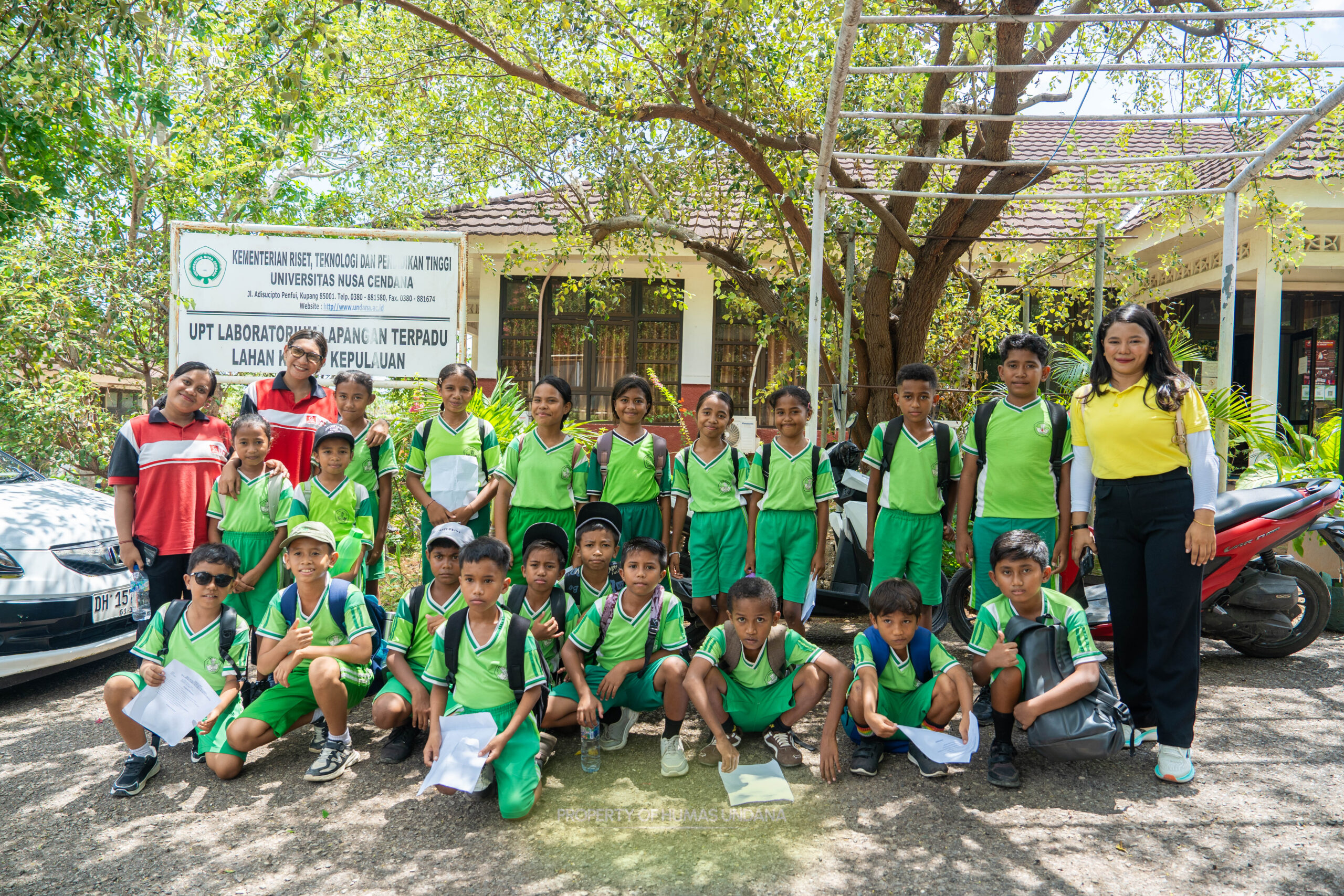
KUPANG – The Archipelagic Dryland Laboratory (LLKK) Technical Implementation Unit (UPT) at Universitas Nusa Cendana (Undana) welcomed 20 fifth-grade pupils from UPTD SDN Beumopu, a state primary school in Kupang, for an educational field trip on Friday (20/11/2026). The visit gave the children an opportunity to learn outside the classroom about ecosystems and soil characteristics, and to gain practical experience in planting.
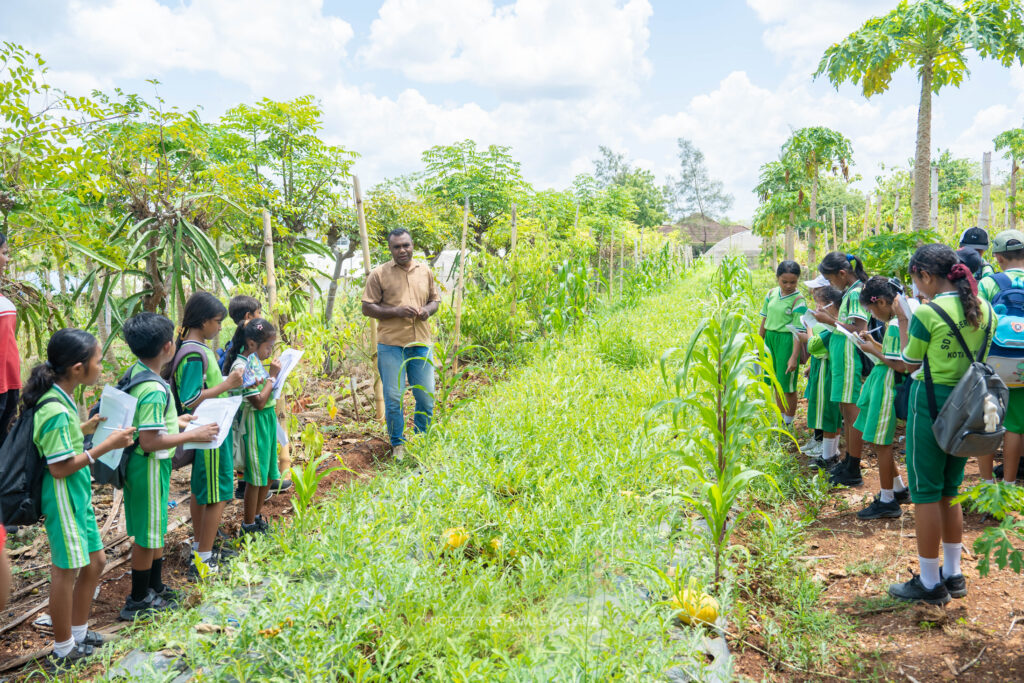
The pupils observed the differences between natural and artificial ecosystems within the laboratory grounds. Alongside these observations, they learned about soil layers and the types of soil suitable for growing plants, before taking part in a planting activity designed to teach environmental conservation.
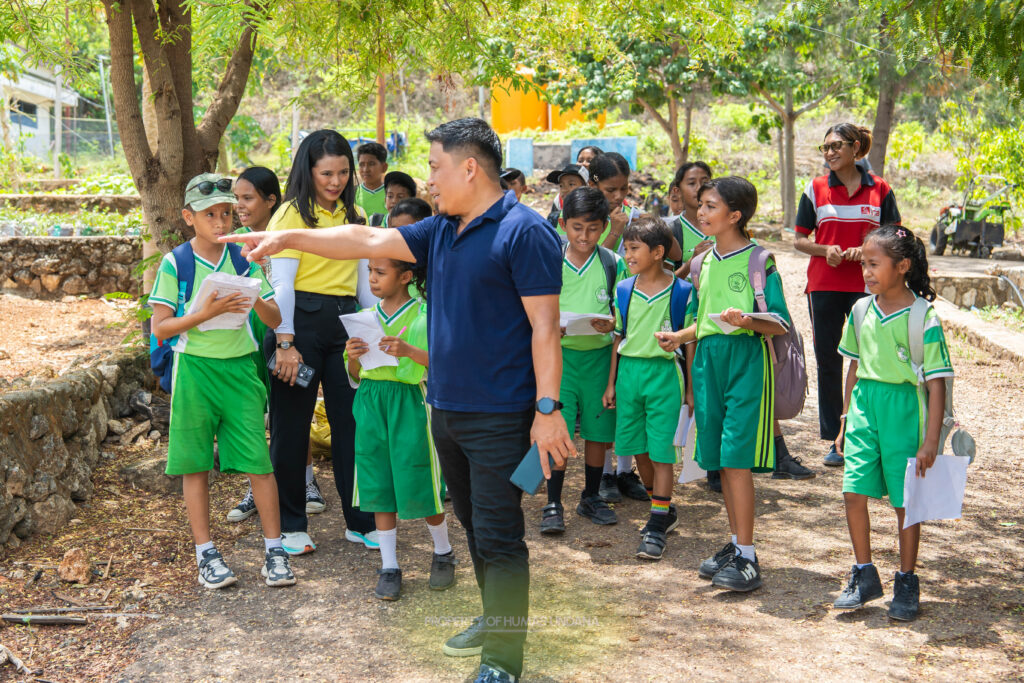
The head of Undana’s LLK Unit, Nixon Rammang, S.Hut., M.Si, welcomed the pupils’ enthusiasm for exploring the potential of drylands while still at primary school. He said environmental education should begin as early as possible so that awareness continues into adulthood.
“One of our goals is to help you learn to love the environment from an early age. Living in a dry area should not make us feel inferior; rather, we have yet to recognise its opportunities,” Nixon told the visiting pupils.
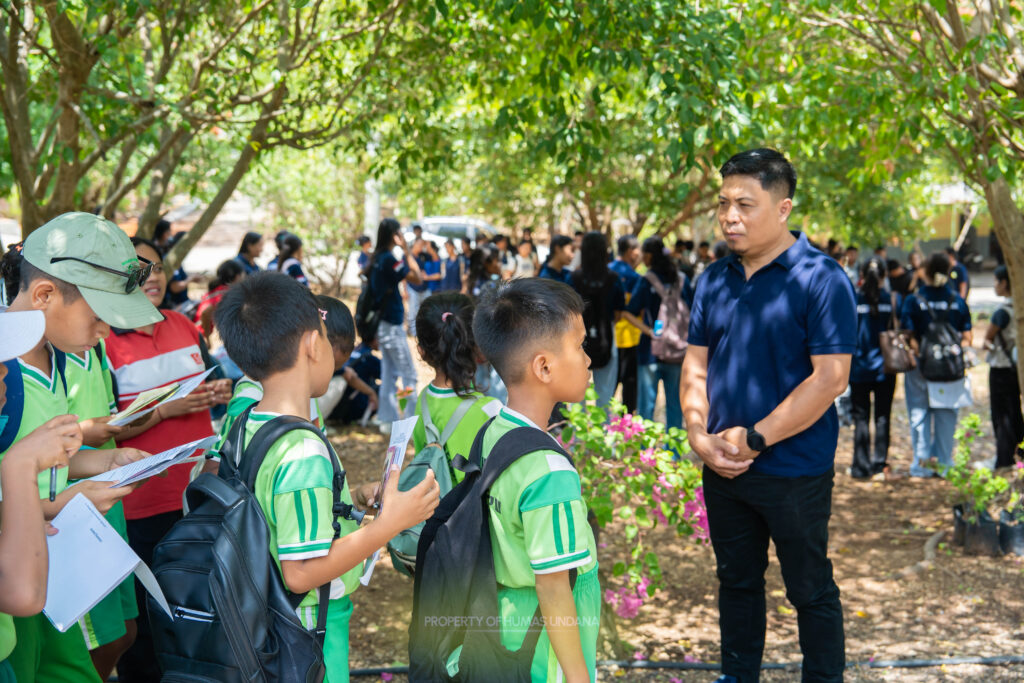
Nixon also emphasised that Undana’s LLK Unit is open to educational partnerships with schools across East Nusa Tenggara. “We believe it is important and worthwhile to pass on positive environmental habits as early as possible. If children develop environmental awareness when they are young, that character will stay with them into old age,” he added.
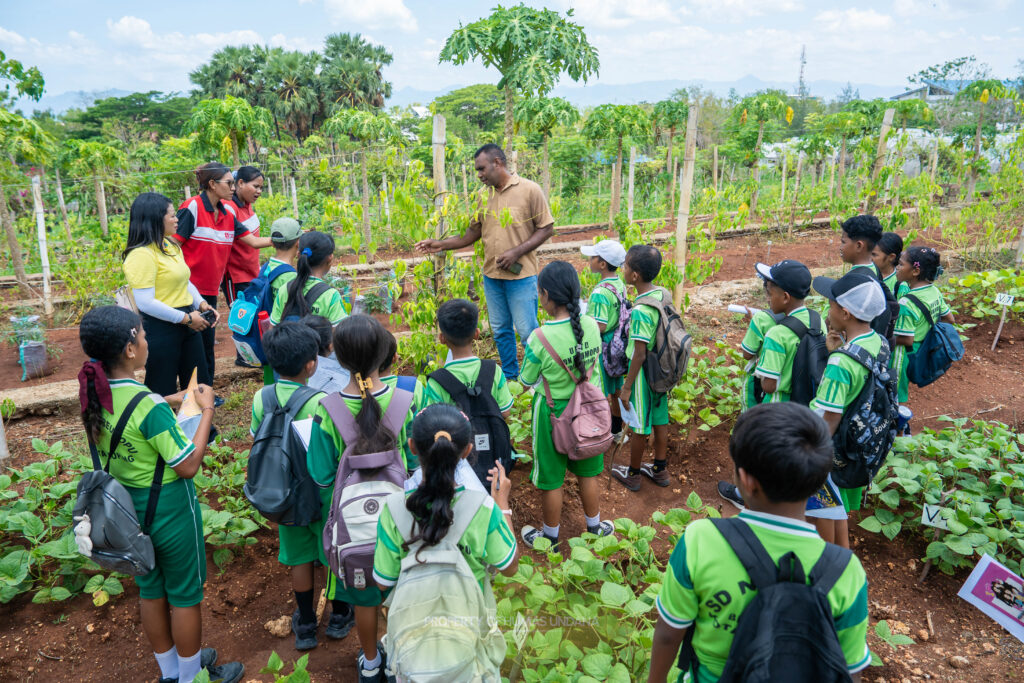
Bringing Classroom Theory and Field Practice Together
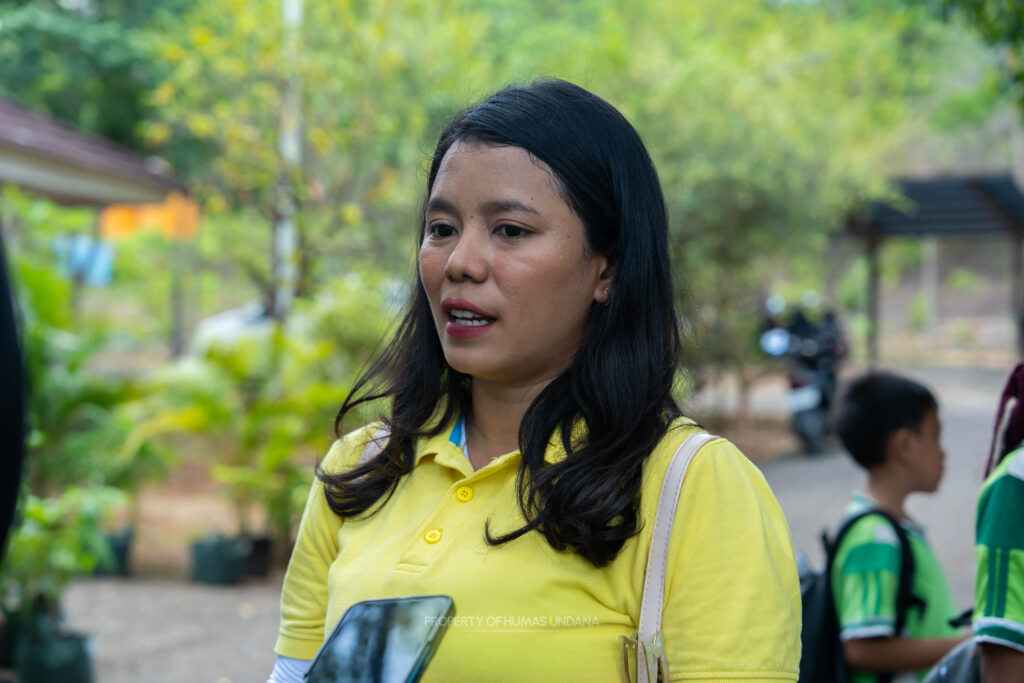
Meanwhile, Wiwien Yundrivon Raewila, S.Pd., Gr., the teacher accompanying the UPTD SDN Beumopu pupils, explained that the visit was part of the school’s annual programme to connect classroom theory with field practice. The activities supported learning in Natural and Social Sciences (IPAS) and Indonesian language.
“We organise this field trip so that pupils do not only receive lessons in the classroom but also gain knowledge directly in the field. They learn to recognise soil suitable for planting, how to plant correctly, and how to protect the environment,” Wiwien explained.
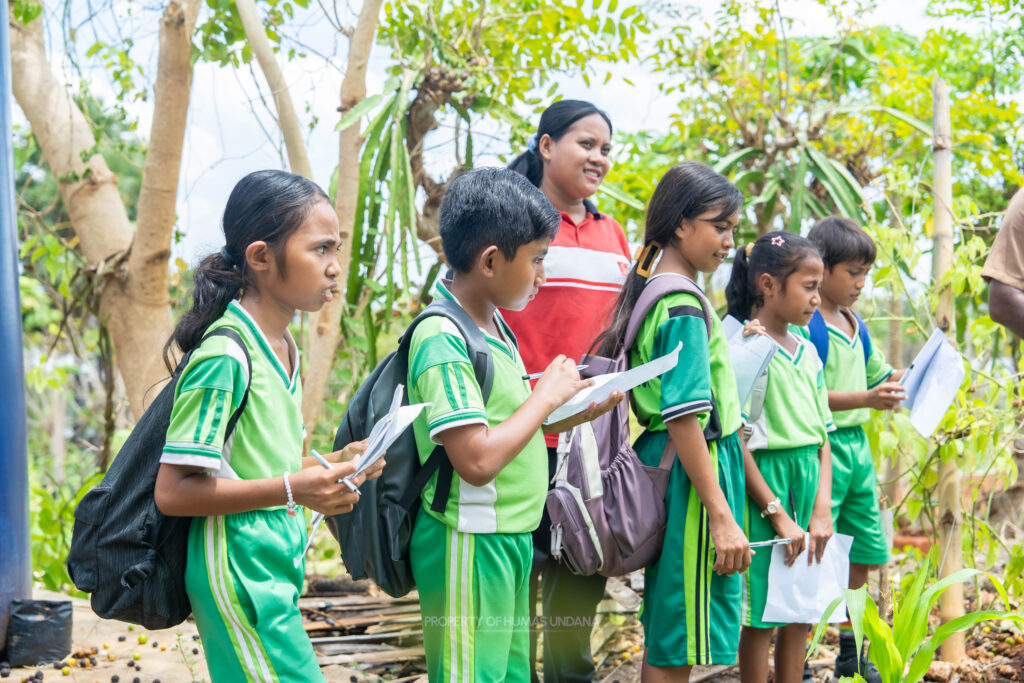
In addition to field practice, the programme helped develop pupils’ literacy and communication skills. They were scheduled to interview speakers from Undana’s LLK Unit, compile written field-trip reports, and present them to their classmates as part of their Indonesian-language learning assessment.
Through these field trips, Undana’s LLKK Unit hopes to continue providing an inspiring outdoor learning space for young people in Kupang. The partnership between the university and primary schools offers a practical way to encourage environmental responsibility while broadening educational networks based on local potential. (Audc)
Editor: Refael Molina – Photos: Jeje Parera