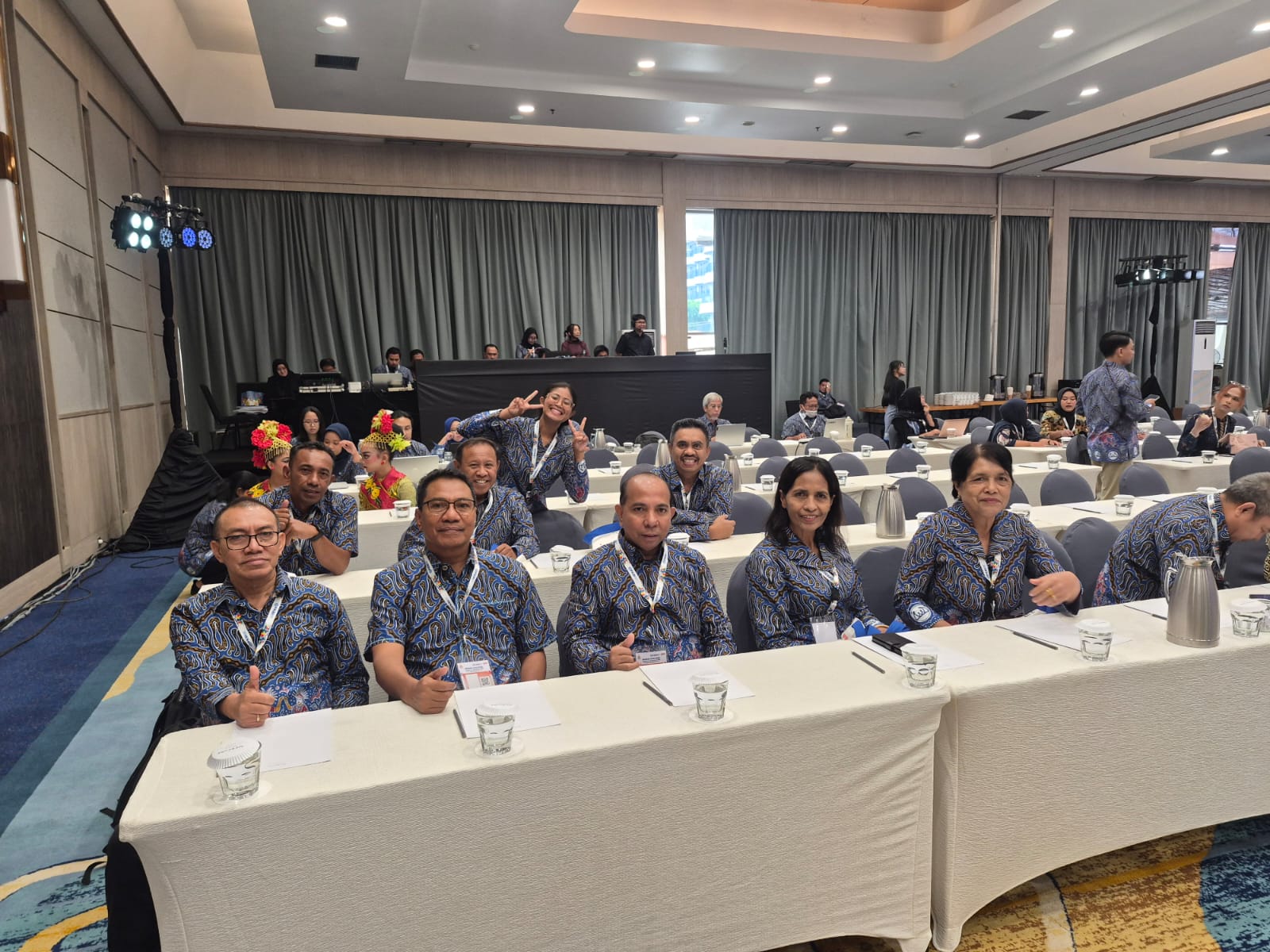
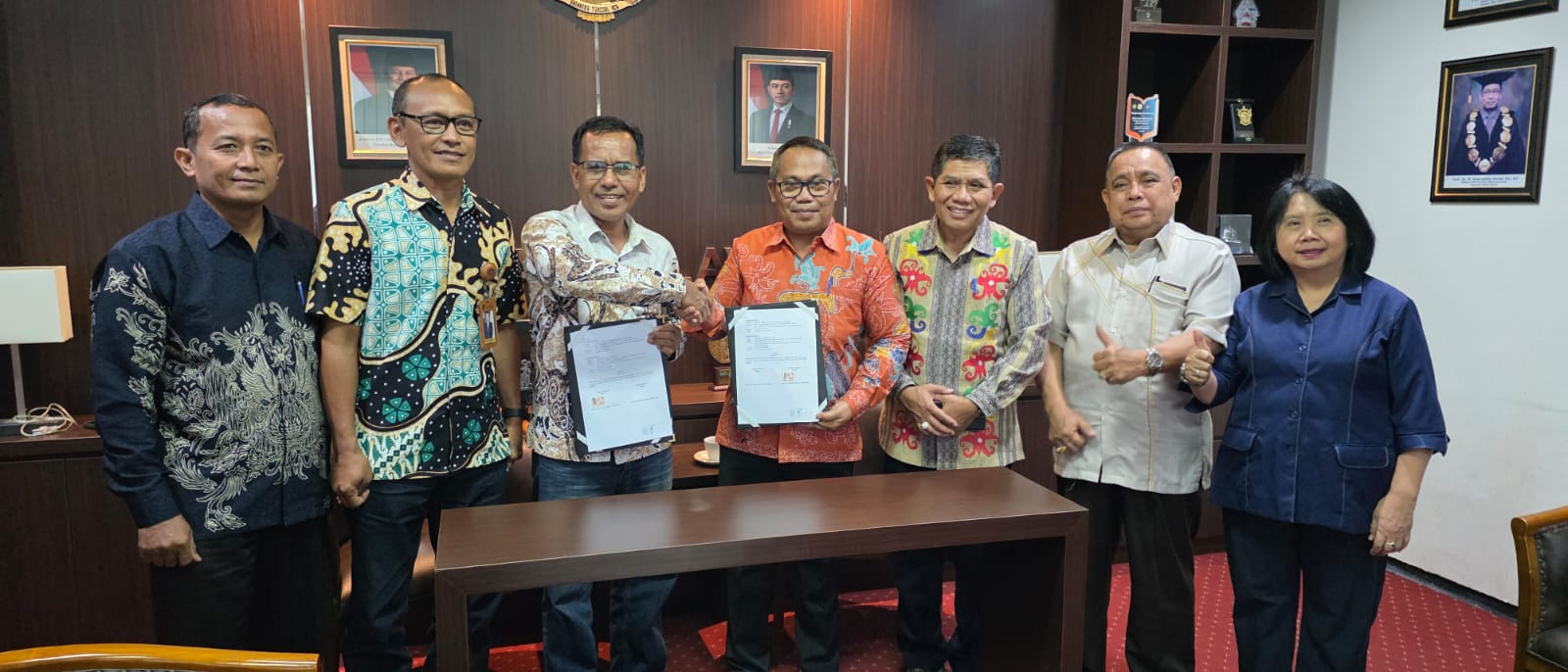
SAMARINDA — Universitas Nusa Cendana (Undana) is expanding its university partnership network by exploring cooperation with Universitas Mulawarman (Unmul), East Kalimantan. Discussions took place at Unmul’s Rectorate Building on Wednesday, 18 November 2026. The initiative aims to improve human resources, strengthen teaching, research and joint community service, support staff development, and develop innovations that benefit communities.
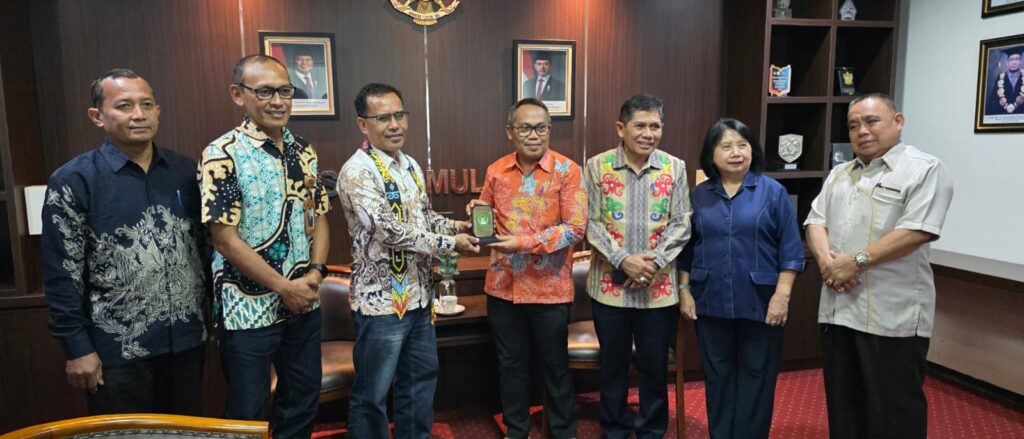
The Undana delegation was led by Vice Rector II, Prof. Dr. Paul G. Tamelan, M.Si., accompanied by the Head of the Bureau of Planning and Cooperation (BPKS), Yefry C. Adoe, S.E., M.AP.; Cooperation Subcoordinator Happy Y. Haning, S.Si.; and planning staff member Sabdi Adi Soni Gerimu, S.T., M.AP. They were welcomed by Unmul Rector Prof. Dr. Rudianton Amirta, S.Hut., M.P., and other university leaders.
In an interview with Undana Public Relations on Monday, 23 November 2026, Prof. Paul Tamelan said that formal approval of a memorandum of understanding (MoU) would provide an important legal framework for implementing collaborative programs through more detailed cooperation agreements (PKS).
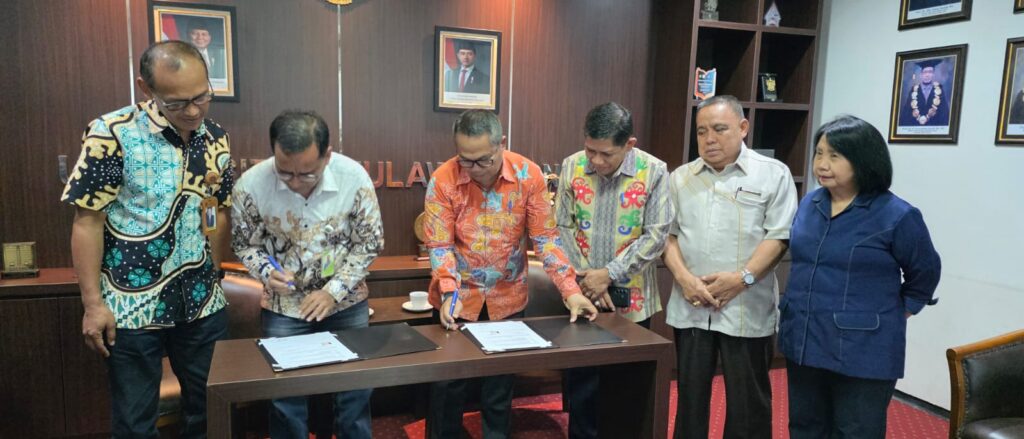
“Discussions have already taken place, but there has not yet been a formal MoU. Consequently, activities under that framework, such as cooperation agreements and other forms of partnership, have not been implemented optimally,” he explained.
Doctoral Study for Lecturers, Journal Clinics and Comparative Research
A major focus of the cooperation is to enable Undana lecturers who hold master’s degrees (S2) to pursue doctoral studies (S3) at Unmul through various arrangements, including hybrid learning. Unmul’s strengths in forestry education up to doctoral level, supported by research on protected forests, biodiversity and environmental management, are relevant to the development of Undana’s Forestry Study Program.
“We hope our Undana colleagues who still hold master’s qualifications can pursue doctoral studies with them. Various learning models, including hybrid learning, are now available and can be adapted to their needs,” he said.
Undana is also seeking support for scholarly publication through Unmul’s journal clinics. The two universities could use the contrast between Undana’s dry tropical ecosystem and Unmul’s humid tropical ecosystem for comparative research by lecturers and undergraduate (S1), master’s (S2) and doctoral (S3) students in forestry, agriculture, the environment and natural resource management.
“A lecturer should understand more than one tropical environment. At Undana, we are in a dry tropical region, while they are in a humid tropical environment. This offers opportunities to learn from each other and develop joint research,” he explained.
Strategies to Increase Non-Academic Revenue and Other Opportunities
With comparable student populations of around 32,000 to 35,000, Undana is also studying Unmul’s strategies for increasing non-academic revenue through productive use of assets, investment and partnerships with third parties.
“We also need to learn how to develop non-academic revenue: how university assets can be used productively to generate additional income to support the institution’s funding needs,” he said.
Other potential areas of cooperation include freshwater and pond aquaculture to maintain fish supplies in East Nusa Tenggara (NTT) when the December–February rainy season prevents fishers from going to sea, as well as mangrove conservation to reduce coastal erosion. For its internal governance in 2027, Undana is prioritizing electricity efficiency and water availability for student facilities. The two universities aim to prepare cooperation agreements so that joint research, with the necessary budget support, can begin in early 2027. (Alk)
Editor: Refael Molina — Photo: Courtesy